Understanding Kathoey, Gender Identity and Thai Culture
If you have ever searched what ladyboys are, you may have come across the term while learning about Thailand, Thai culture, travel or the country’s famous entertainment scene. The term ladyboy is widely used in English-speaking countries to describe people who are often understood as transgender women, particularly in Thailand and parts of Southeast Asia.
However, there is an important difference between the English expression ladyboy and the culturally specific Thai term, kathoey. Neither word should automatically be treated as a precise description of every person’s gender identity.
For some people, lady boys is a familiar and comfortable term. Others may describe themselves as a trans women, transgender women, women, or use kathoey. Some people may not identify with any of these labels at all. The most respectful approach is therefore to use the language an individual chooses for themselves.
Understanding the subject also means recognising the difference between gender, sex, gender expression and sexuality. A transgender woman is not automatically a gay man, while an effeminate gay man does not necessarily identify as a woman or as transgender.

What Does Kathoey Mean?
The word kathoey has a long and complex history in Thailand. In contemporary conversations, it is commonly associated with transgender women and feminine gender expression, although its meaning can vary depending on the person and the context.
Academic research has shown that kathoey does not always map perfectly onto the Western concept of transgender. The term can encompass a broader range of gender-nonconforming experiences, and people may use different labels to describe themselves.
This is why it helps to avoid assuming that every person described as kathoey has the same gender identity. Some Thai trans women may strongly identify as women and transgender, while others may have a different understanding of their identity.
The phrase phuying praphet song, sometimes translated as “second type of woman”, is another term encountered in discussions about gender in Thailand. The related expression praphet song reflects the fact that Thai language and culture have developed ways of discussing gender that do not always correspond directly with English terminology.
Language can therefore help us understand how Thai society approaches gender, but it is important not to reduce people’s individual lives to a single word.
Ladyboys and Transgender Women
One of the most important points when answering what are ladyboys is that gender identity and sexuality are different things.
A person may be assigned male at birth and later identify as a woman. That person may describe herself as a transgender woman or trans woman. Her sexual orientation is a separate part of her identity.
For example, a transgender woman may be attracted to men and identify as straight. She could also be bisexual, lesbian, gay, or use another description. Being transgender does not determine who someone has as their lovers or partners.
Likewise, gay men can have feminine personalities, clothing or mannerisms without identifying as transgender. Effeminate gay men and transgender women should therefore not automatically be placed in the same category.
The same principle applies to appearance. A feminine guy may enjoy feminine clothing or presentation while still identifying as a man. Another person may dress as a woman because she identifies as a woman.
There is no single appearance that defines transgender people.
Thai Kathoey and Thai Culture
The visibility of Thai kathoey is often discussed as an important part of Thai culture, but the reality of life for transgender people is more complicated than some international stereotypes suggest.
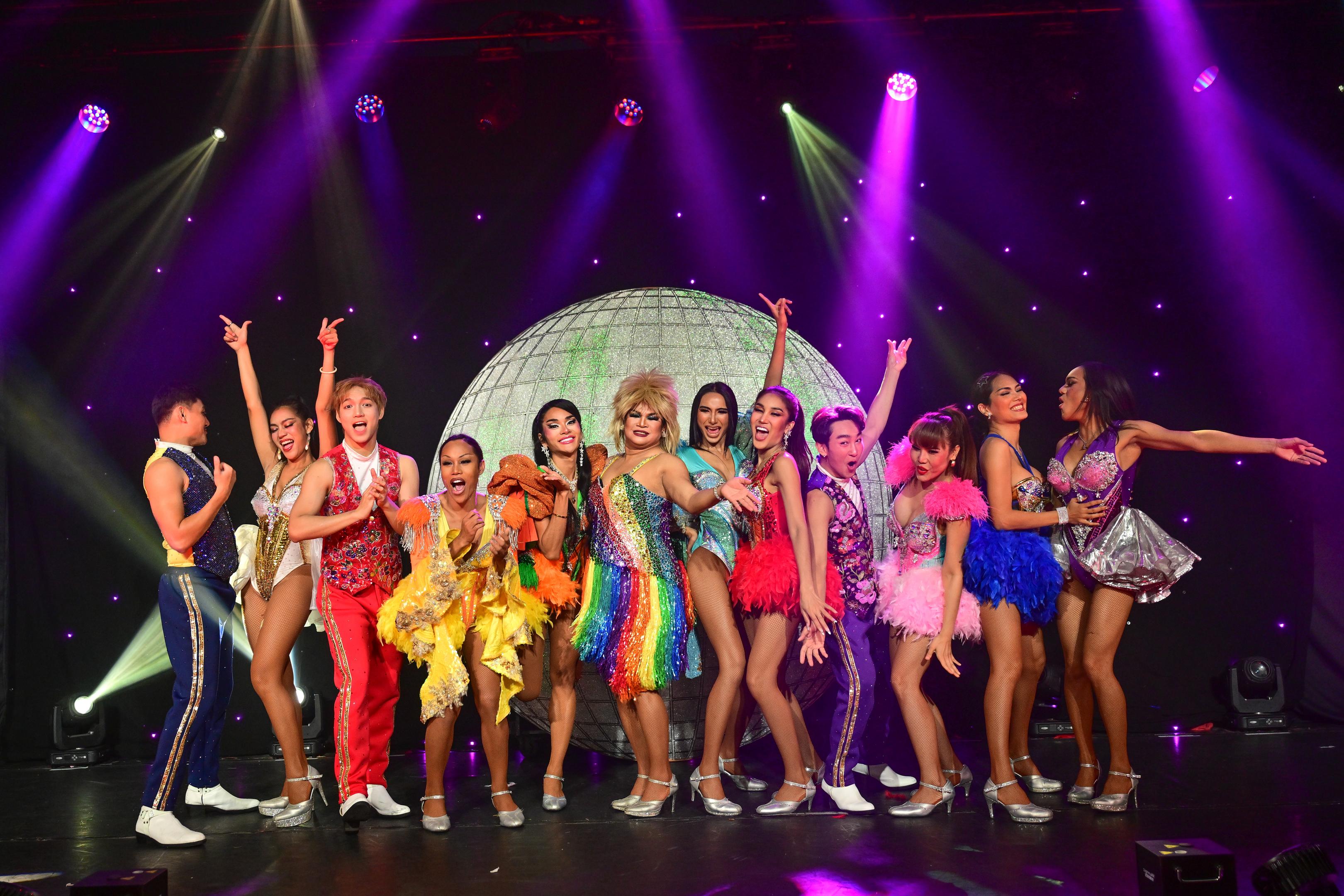
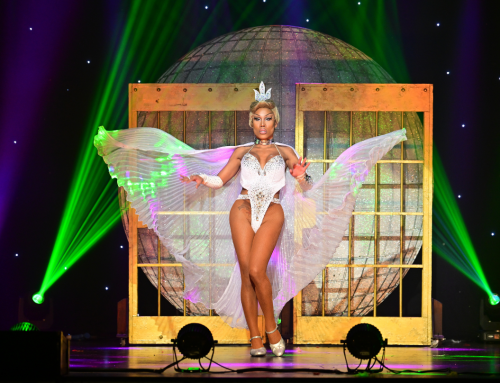
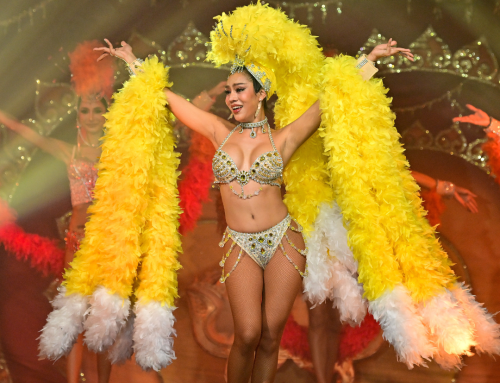
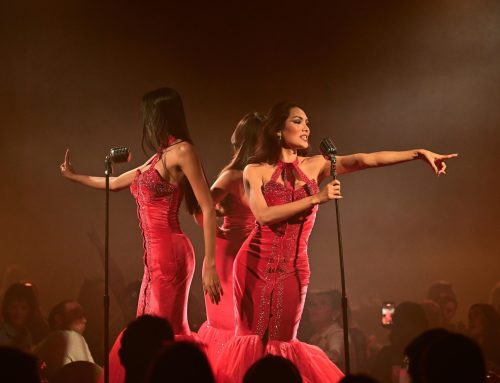
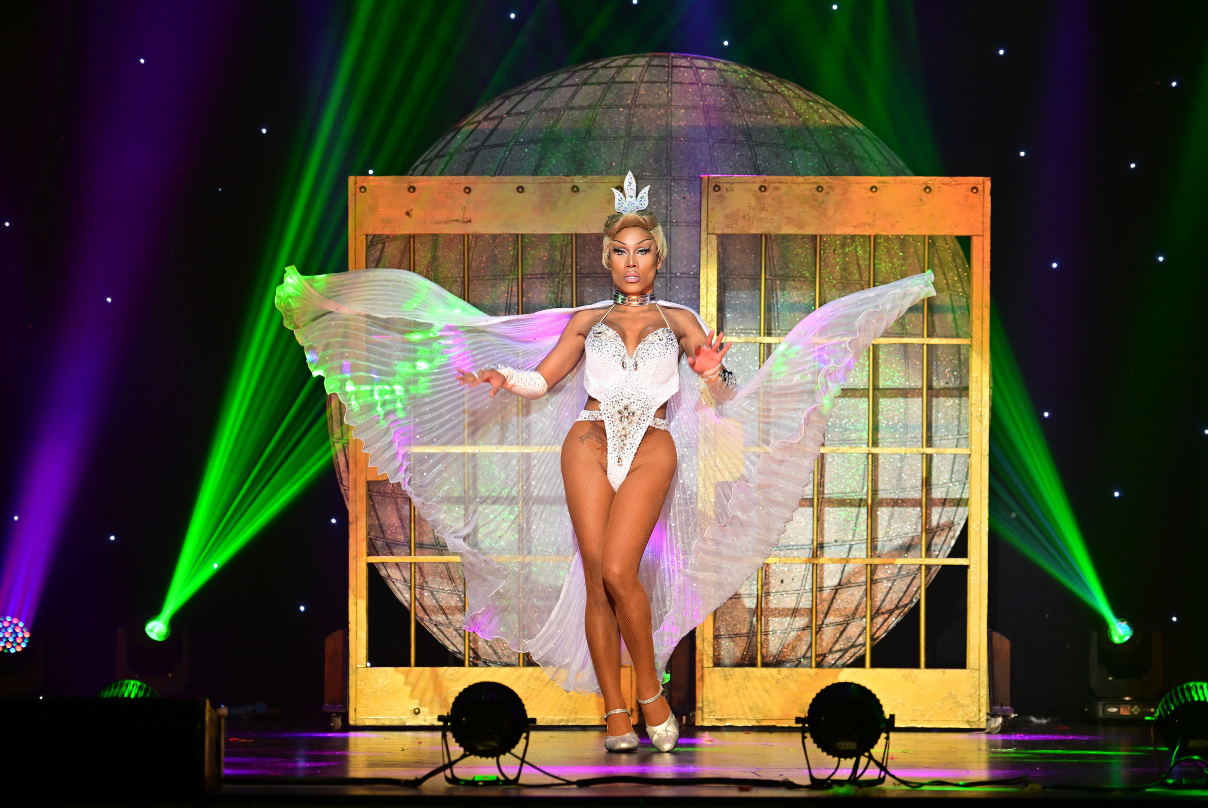
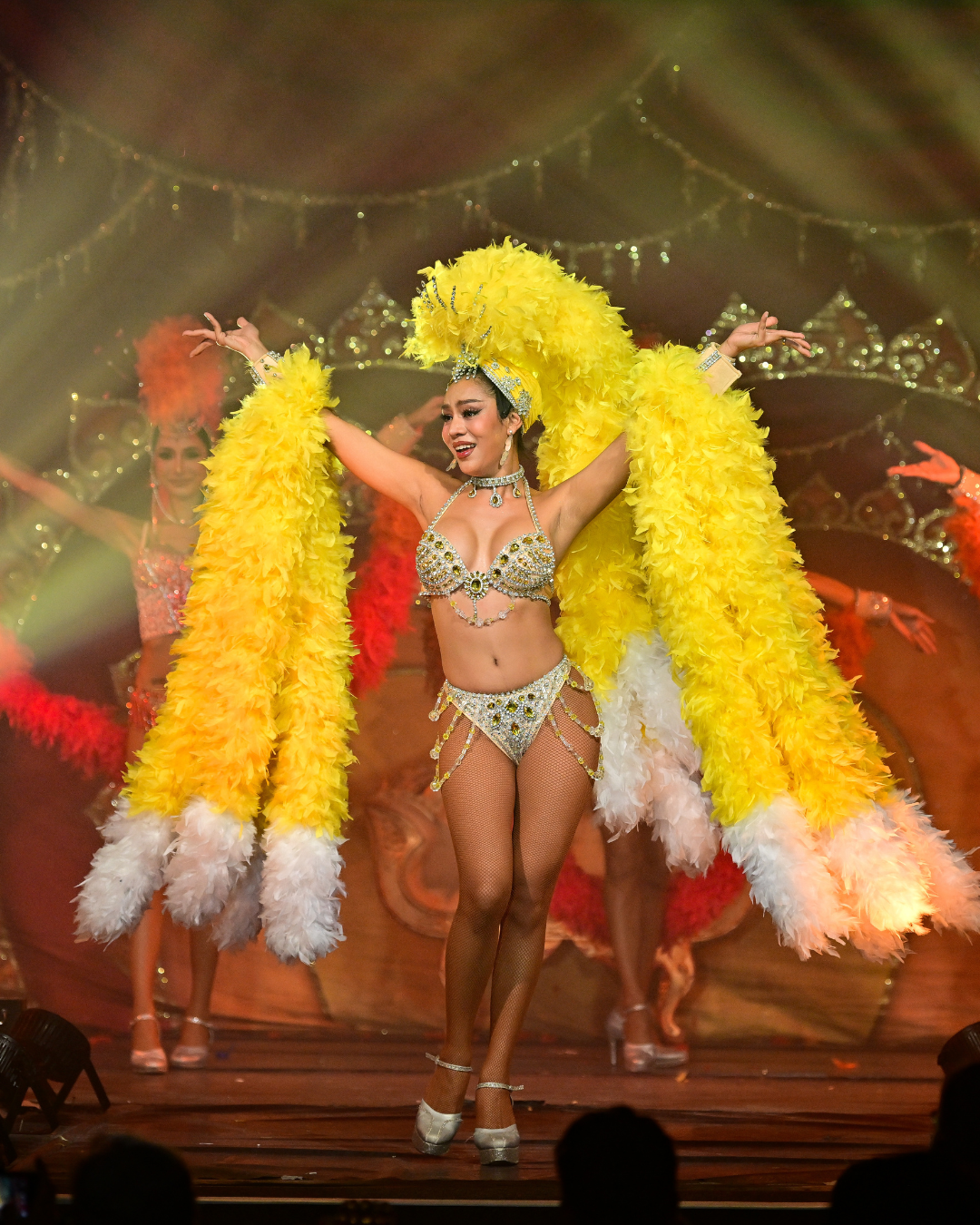
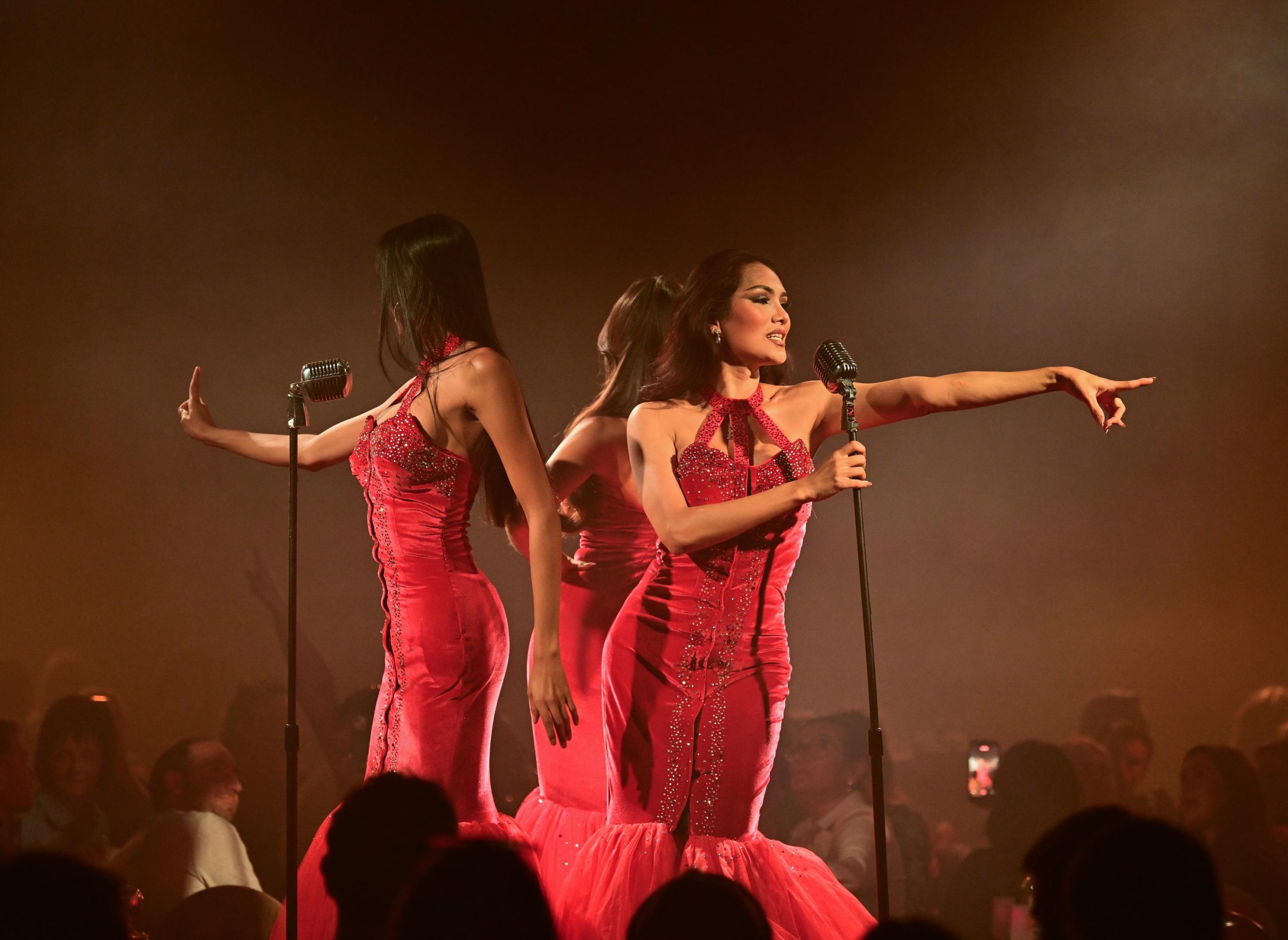
Kathoey have a visible presence in entertainment, fashion, beauty, and public life. Thailand is particularly well known internationally for its cabaret performances and transgender beauty pageants, which have helped make kathoey representation familiar to audiences around the world, and have contributed to the cross-cultural appeal of ladyboy cabaret shows.
However, visibility does not automatically mean complete social acceptance. Research has documented discrimination and marginalisation experienced by kathoey in areas of everyday life, including education, employment and interactions with institutions.
This distinction is important. A country can have highly visible transgender performers while transgender people can still encounter stigma or unjust gender discrimination.
For most Thais, as with people in any country, attitudes are diverse. There is no single opinion shared by everyone.
Kathoey in Everyday Life
The experiences of transgender people in Thailand vary considerably. Some live openly as women and build careers, relationships and communities around their own identities. Others experience pressure from family, employers or wider society.
For people living their everyday life as transgender women, seemingly ordinary situations can sometimes highlight differences between personal identity and official systems.
Research into kathoey experiences has, for example, examined situations involving identification documents and interactions with healthcare providers and employers. When official documentation does not reflect someone’s lived gender, a person’s identity can become a subject of unwanted attention.
These experiences demonstrate why discussions about Thai society should go beyond nightlife and tourism. There is a much bigger story involving families, workplaces, education, relationships and community life.
Thailand’s History and Gender
Understanding Thailand’s history can also provide useful context. Gender diversity and gender-nonconforming identities have been discussed in relation to Thai history and religious traditions, although historical categories should not simply be treated as direct equivalents of modern transgender identities.
Buddhism is an important part of Thai cultural life, and interpretations of Buddhist teachings have sometimes been connected with discussions about gender and sexuality. However, religion alone cannot explain the attitudes of an entire country.
Modern ideas about transgender identity have also developed alongside global media, medicine, law and changing language. As a result, the experiences of trans people in Thailand today reflect both local cultural traditions and international conversations about gender.

Many Kathoey and Different Identities
There are many kathoey, but there is no single kathoey experience.
Some people may identify strongly with the community and the Thai term kathoey, while others may prefer “transgender woman”. Some may use both terms depending on the situation, while others may not consider themselves transgender at all.
This is one reason why describing kathoey as a simple “third gender” can be useful in certain discussions but misleading if presented as a universal definition. Academic research has highlighted the diversity of kathoey identities and the ways people negotiate labels within Thai and international contexts.
The phrase minority referring to a particular group can also be misleading if it suggests that everyone within that group shares exactly the same beliefs or experiences.
Identity is personal.
Gender Identity and Medical Transition
Another common misunderstanding concerns hormone therapy and medical transition.
Being transgender does not require someone to undergo medical treatment. Some transgender women choose hormone therapy, while others do not. Some may pursue surgery, while others do not. Medical decisions can depend on personal circumstances, finances, health, access to healthcare and individual preference.
This is particularly important when discussing Thai trans women, because there is no single pathway that defines their lives.
A person’s gender identity does not become more or less valid depending on whether they have received hormone therapy or undergone surgery.
Similarly, the fact that someone has been assigned sex at birth does not tell us everything about their eventual gender identity.
Beauty Pageants and Representation
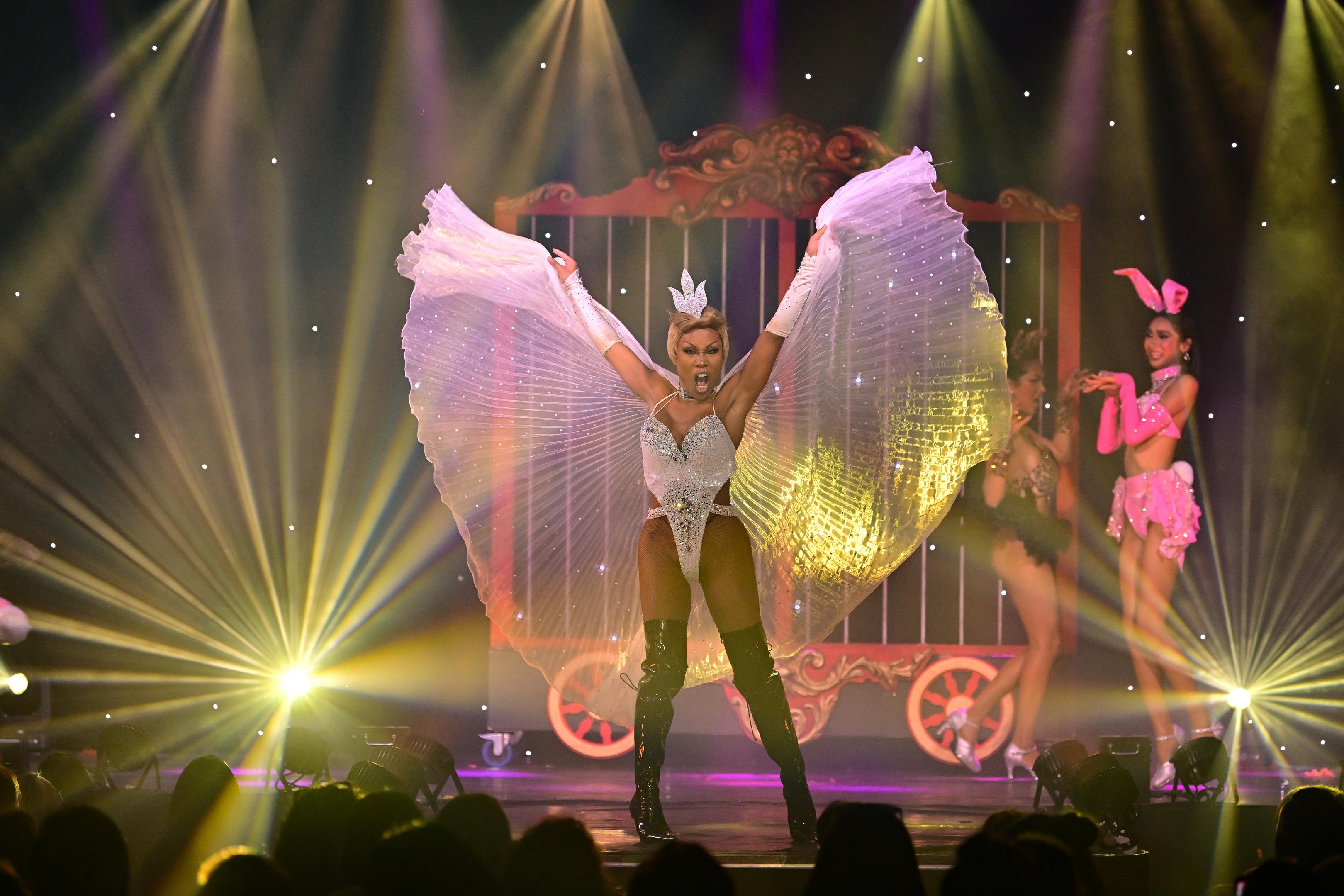
Beauty pageants have played a notable role in the visibility of transgender women in Thailand. Events such as Miss Tiffany’s Universe have become part of the country’s entertainment landscape and have attracted international attention, much like inclusive ladyboy shows that draw diverse audiences.
These events can provide opportunities for performers and contestants to build public profiles, careers and communities.
Entertainment has also introduced audiences around the world to transgender performers through television, films, theatre and cabaret, with shows such as The Ladyboys of Bangkok bringing vibrant Thai culture to UK stages.
One well-known example is Nong Tum, whose life story became internationally recognised through the film Beautiful Boxer. Her story helped introduce international audiences to one individual’s experience of gender identity and life in Thailand.
There have also been transgender models, movie stars, performers and other public figures who have contributed to greater visibility.
Nevertheless, representation on screen or on stage should not be confused with universal acceptance in wider society.
Ladyboys, Tourism and Bangkok
For foreigners visiting Thailand, the term ladyboy may be particularly noticeable in tourist centers and entertainment districts, where some venues host adult-only ladyboy cabaret shows with age restrictions.
Bangkok, in particular, has an internationally recognised nightlife and cabaret scene, and international touring shows often stay connected with audiences through social media updates. Visitors may encounter transgender performers in theatres, large-scale touring cabaret shows featuring popular musical hits and elaborate costumes, and other entertainment settings.
However, tourism represents only one part of the story.
The lives of transgender people extend far beyond performances designed for visitors. Thai transgender women work in many different professions, maintain friendships and relationships, participate in communities and live ordinary lives away from the tourist industry.
This is an important difference between seeing a performer during a holiday and understanding the experiences of transgender people throughout the country.
The Word “Ladyboy” and English Translation
So, why is the word “ladyboy” so widely used?
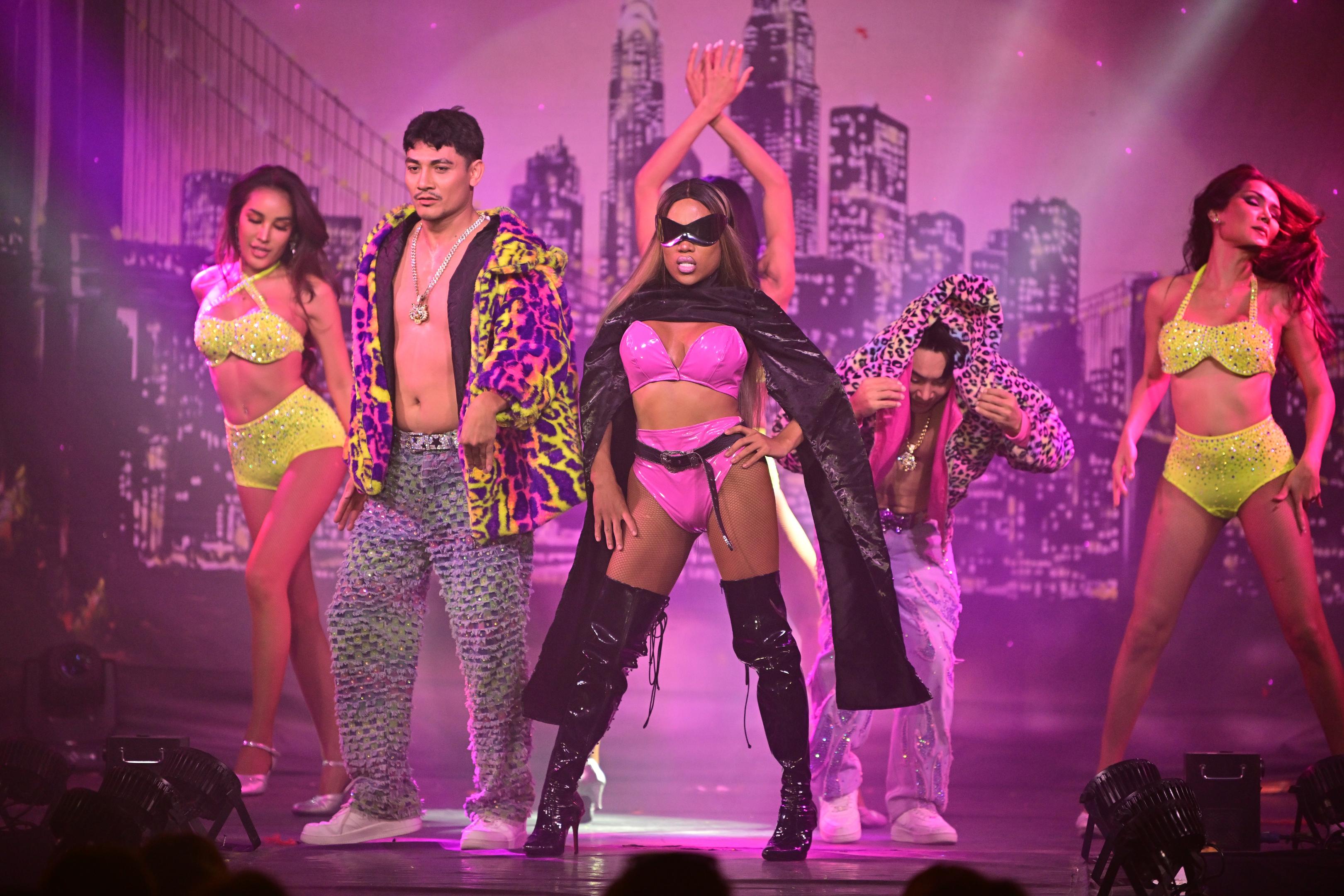
The expression became particularly familiar internationally through tourism, entertainment and English-language media about Thailand, including internationally touring productions such as The Ladyboys of Bangkok cabaret show. It is often used as an English translation or informal description associated with kathoey and transgender women.
However, translation is not always straightforward. A culturally specific concept rarely has a perfect equivalent in another language.
For some people, “ladyboy” is simply a familiar term. Others may consider it inappropriate or prefer “transgender woman”. This is why context matters.
If you are speaking to someone personally, the best approach is simple: listen to the term they use for themselves and respect their preference.
Are Ladyboys Gay?
One of the most common questions following what are ladyboys is whether ladyboys are gay.
The answer depends on the individual because gender identity and sexual orientation are separate.
A transgender woman can be straight, bisexual, lesbian, gay or use another identity. Likewise, being attracted to men does not automatically make someone transgender.
This difference is sometimes lost when Western media discusses gender and sexuality in Thailand. Applying one label to everyone can overlook the diversity of people’s experiences.
For example, a transgender woman who has male partners may be heterosexual if she identifies as a woman. Meanwhile, a cisgender man who is attracted to men is a gay man.
The terms describe different aspects of identity.
Thai Society Today
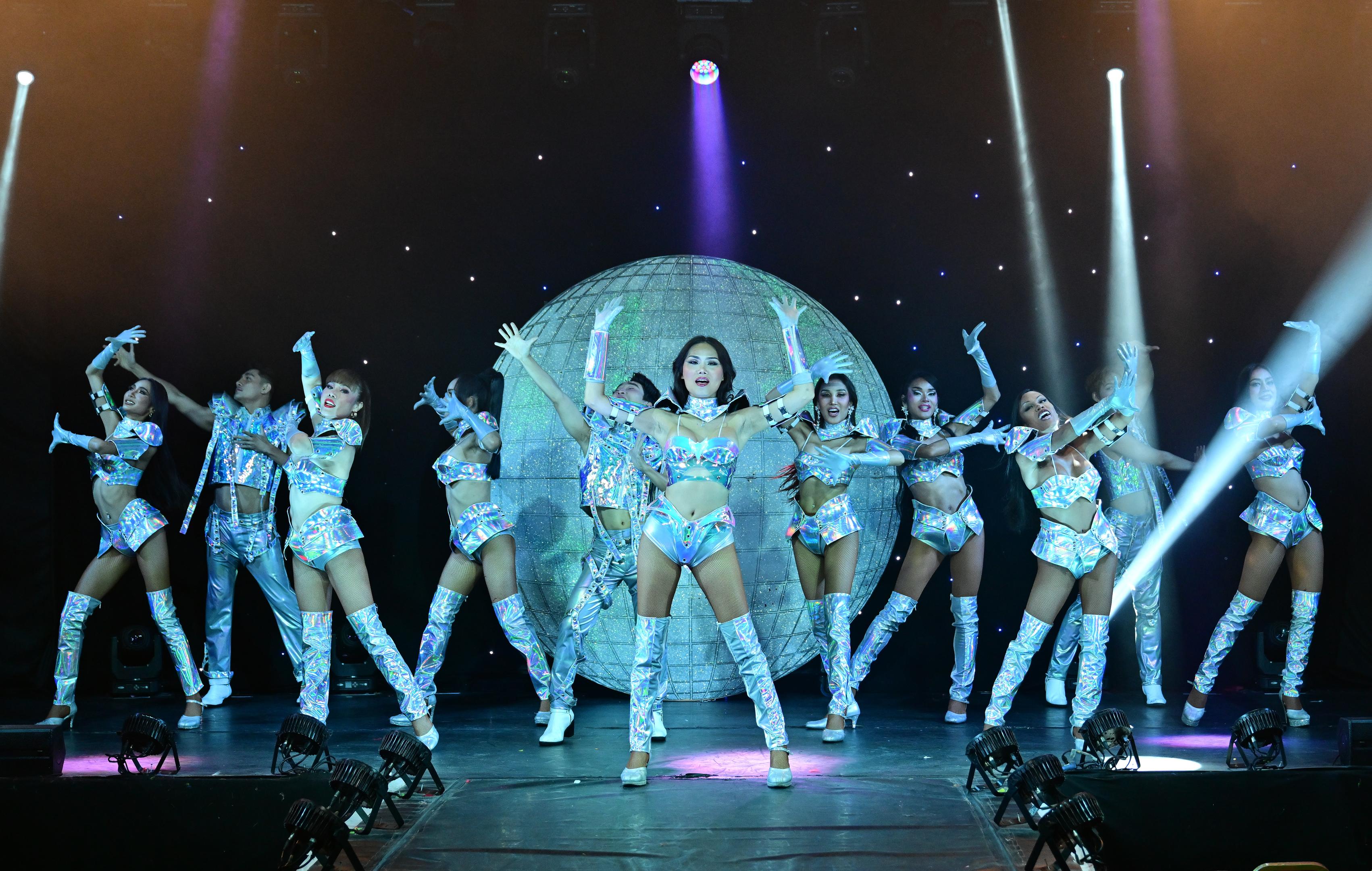
Modern Thai society continues to develop its understanding of gender. Thailand has gained an international reputation for the visibility of transgender people, but visibility and equality are not the same thing.
Research has documented continuing challenges for kathoey, including discrimination and barriers within areas of social and institutional life.
At the same time, public representation, changing terminology and greater discussion of gender identity have contributed to a more visible conversation about transgender lives.
It is therefore possible for seemingly contradictory things to exist at the same time: transgender people can be highly visible in entertainment while still encountering discrimination elsewhere.
That complexity is essential to understanding the subject.
Kathoey, Culture and Community
For many people, kathoey is more than a label. It can connect people with a community, culture and shared experiences.
Language can facilitate communication, but it can also shape how people understand themselves and others. Research into kathoey language use in Thailand has found that gendered language and pronouns can play a role in expressing femininity and positioning identity within Thai society.
This highlights an important idea: gender identity is not experienced in isolation. Family, friends, language, culture and social expectations can all influence how people understand and express themselves.
Thailand and Southeast Asia
Although Thailand is particularly associated with the term ladyboy, gender diversity is not unique to Thailand.
Different communities throughout Southeast Asia, including the Philippines and other countries, have their own words, cultural traditions and understandings relating to gender and sexuality.
These concepts should not automatically be treated as identical. Each country’s history and language has shaped its own terminology and social expectations.
Using the same English word across different countries can therefore hide meaningful cultural differences.
Why Language Matters
Ultimately, asking what are ladyboys is really an opportunity to learn about language, culture and identity.
The term “ladyboy” is widely recognised, particularly in discussions about Thailand and Southeast Asian entertainment, but it does not describe every person in the same way.
Kathoey is a culturally specific Thai concept, while “transgender woman” is an internationally used identity term. Neither should be imposed on someone without considering how they identify themselves.
Understanding this difference helps move the conversation away from stereotypes and towards the real people behind the terminology.
Final Thoughts
So, what are ladyboys?
In everyday English, the term is commonly used to refer to transgender women, particularly in Thailand and Southeast Asia. But there is much more to the subject than a simple definition.
The story connects Thai culture, Thai society, kathoey identity, transgender women, sexuality, language, entertainment and the experiences of people living their everyday lives.
For visitors, learning about these differences can make it easier to understand Thailand without relying on assumptions. And for anyone interested in the subject, perhaps the most important thing to remember is that no single word can describe everyone’s identity or experience.
Behind every label is an individual person with their own story, identity, relationships, hopes and lives.
That is the real starting point for understanding what ladyboys are.